

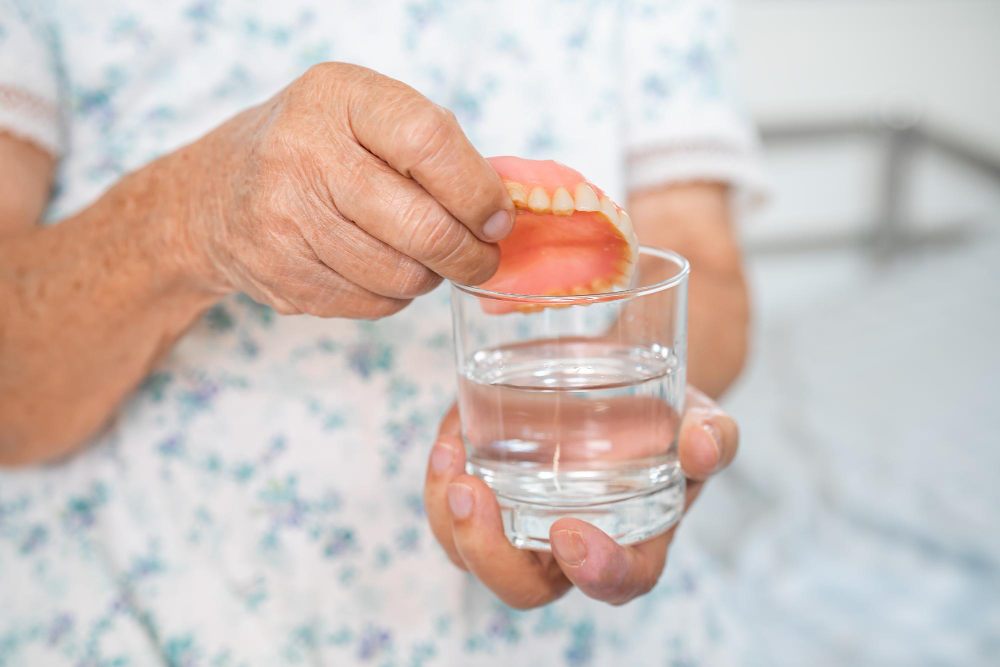
What Are Fixed Partial Dentures (FPD)?
Fixed Partial Dentures (FPD) are dental devices used to replace missing teeth. Dentists often call them dental bridges. They fill the gap left by one or more lost teeth. Unlike removable dentures, FPDs stay in place. They are attached to nearby healthy teeth or dental implants. Because of this, they look and feel like natural teeth. Many people choose FPD dental treatment for a stable and lasting solution.
Common Symptoms and Dental Issues Leading to FPD
Many people need FPDs due to missing teeth. Often, the following signs may show you need help:
Sometimes, these issues can affect your confidence. For this reason, seeking dental bridge options can help restore your smile.
Causes and Risk Factors for Tooth Loss Requiring FPD
Tooth loss can happen for many reasons. Some common causes include:
However, poor oral hygiene increases your risk. Smoking and certain health conditions, like diabetes, can also play a role. According to the World Health Organization (WHO), gum disease is a leading cause of tooth loss worldwide.
Diagnosis and Dental Evaluation for FPD
First, your dentist will examine your mouth. They may take X-rays to check your teeth and jawbone. Next, your dentist will discuss your dental history and needs. After that, they will decide if FPD dental treatment is right for you. Sometimes, other dental bridge options may be considered. Your dentist will explain the best choice for your situation.
Treatment Process: How FPDs Are Made and Fitted
The FPD procedure usually involves several steps:
Because each step is important, following your dentist’s advice helps ensure success.
Benefits and Possible Risks of FPD
Fixed Partial Dentures offer many benefits:
However, there are some risks to consider:
Although most people have good results, regular dental visits help catch problems early.
Care, Maintenance, and Lifestyle Guidance for FPD Users
Proper care keeps your FPD working well. Here are some tips:
With good habits, your FPD can last many years. If you notice pain or changes, contact your dentist right away.
Prevention Tips for Avoiding Tooth Loss
Preventing tooth loss is always best. You can lower your risk by:
Because prevention is key, these habits help keep your teeth strong and healthy.
Frequently Asked Questions About FPD
Conclusion
Fixed Partial Dentures (FPD) are a trusted way to replace missing teeth. They restore your smile and help you eat and speak with ease. Because every mouth is unique, consult a qualified dentist at Dr. Sanvi Dental Care for personalized advice on Fixed Partial Dentures (FPD).